Heat Pumps
Heat Pump Not Cooling: The Most Common Problems and Solutions
 By HVAC.com•August 18, 2026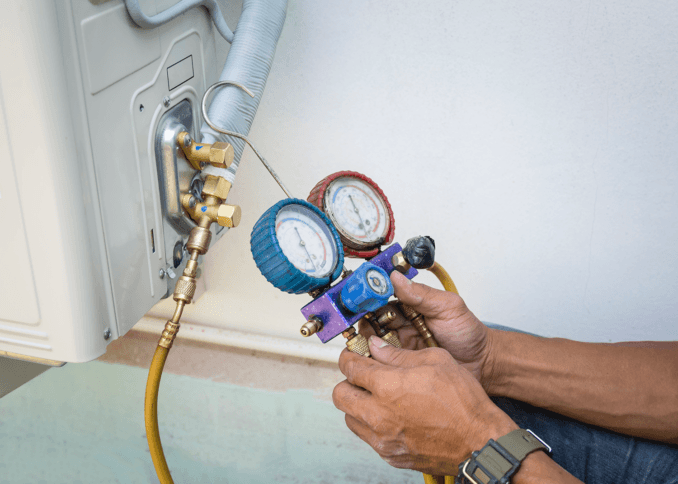
As summer temperatures ramp up, a heat pump not cooling your home is the type of problem you want to remedy right away to keep you and your family safe and comfortable. There are a number of issues that can cause a heat pump to malfunction, so we’re exploring the most common scenarios, what you can check on your own, and when it’s time to call a professional. While we dive into why your heat pump won’t cool, keep in mind that some fixes can be handled with DIY methods, while others require an experienced heat pump repair technician. If you determine you need the expertise of a professional HVAC contractor, contact HVAC.com who can help connect you with a reputable HVAC technician in your area.
What is a Heat Pump?
Have you ever wondered what a heat pump is? You’re not alone. Many homeowners are familiar with furnaces and air conditioners, but they may not realize a heat pump can do both jobs in one system. So, what is a heat pump and how does it work? A heat pump is an all-electric HVAC system that heats and cools your home using heat transfer rather than creating heat by burning fuel. In summer, it works much like an air conditioner by moving heat from inside your home to the outdoors. In winter, it reverses the process and pulls heat from the outdoor air to warm your home.
That ability to switch between heating and cooling is what makes a heat pump so versatile. It relies on key components such as the compressor, refrigerant, indoor and outdoor coils, and a reversing valve to move heat where it’s needed. Because heat pumps transfer heat instead of generating it through combustion, they can be highly efficient and may help lower energy use in the right climate and application.
The 4 Most Common Heat Pump Problems
1. Heat Pump Not Turning On
If your heat pump won’t turn on at all, there are four likely causes to consider:
- Start with the thermostat. Ensure the device is displaying correctly and is set to “cool” with the desired temperature below the home’s current indoor temperature. If you have a smart thermostat, check for any system error messages or alerts. The technology within these devices can often point you toward the source of the problem. A smart thermostat is a Wi-Fi-enabled thermostat that can automate temperature settings, learn usage habits, and sometimes alert you when your HVAC system isn’t operating properly.
- Ensure the unit is receiving power. A heat pump demands a large amount of electricity to start up and maintain operation. If the unit pulls too much power at once, the circuit breaker can trip as a safety precaution. Check the electrical panel and switch the heat pump breaker to “on” if necessary. If the breaker continues to trip itself off, there’s likely a bigger issue at play. Contact a heat pump technician right away for service.
- The heat pump start capacitor is broken. Take a moment to listen to your heat pump. If you hear a faint clicking noise as the heat pump is supposed to turn on, the problem may be with the start capacitor. This component stores an electrical charge that helps the motor start with less effort. You’ll need to contact an HVAC technician to replace it.
- The reversing valve isn’t reversing. As the name suggests, a heat pump reversing valve allows the system to work as both a heater and an air conditioner by reversing the direction of the refrigerant. Most manufacturers design their systems to default to heat, meaning if the reversing valve is not working properly, only heat will be delivered. However, there are a couple of brands that default to cooling. If your unit is only delivering warm or cool air when it shouldn’t be, a technician will need to repair or replace the reversing valve.
2. Heat Pump Not Cooling
If your heat pump is not cooling, there may be one of several problems at the root of it. When your heat pump is not blowing cold air, the temperature in your home can rise quickly and create an uncomfortable environment. Some of the most common reasons a heat pump isn’t cooling include:
- Malfunctioning thermostat. Is the device set to “cool” with the desired temperature? If all the settings are correct, it’s possible the thermostat isn’t reading the indoor temperature accurately or an electrical problem is preventing the device from communicating with the heat pump. This is another area where a smart thermostat may help you spot alerts or performance issues sooner. You’ll need a professional heat pump technician to fix either of these problems.
- The reversing valve is not working properly. If your heat pump is running, but the air coming out of your vents is hot, it’s likely a problem with your reversing valve.
- The components are dirty. When airflow is limited, the system cannot function properly. Lukewarm air coming from your vents often points to dirty or clogged heat pump components or a clogged air filter. Remove debris from around the outdoor unit and check whether your HVAC filter needs to be replaced.
- The refrigerant level or charge is low. If your refrigerant levels are too low or there is a leak, your heat pump will struggle to cool your home. Routine heat pump maintenance is the best preventive measure for identifying refrigerant problems or potential leaks before they become major repairs.
3. Heat Pump Running Constantly
A heat pump that’s running constantly can create a spike in your energy bill and shorten the lifespan of your unit. Some of the causes may be within your control. The most common reasons heat pumps don’t shut off include:
- The thermostat settings are extreme. It’s understandable that you want to keep your home cool in the summer and warm in the winter, but if the thermostat is set too high or too low, the unit will work continuously to try to achieve your desired temperature. Turn your thermostat up or down a few degrees depending on the season to give your unit a break and lower your monthly energy bills. A programmable or smart thermostat can help maintain more consistent settings and reduce unnecessary runtime.
- The air filter is dirty. Without a continuous flow of air, the heat pump can’t cool or heat your home efficiently. Filters typically need to be replaced every 90 days, but it’s good practice to check the cleanliness of your filter each month so you can replace it sooner if needed.
- The compressor contactor is not working properly. The compressor contactor controls power to the compressor and the outdoor fan on your heat pump. If the compressor contactor is damaged, your heat pump could run all the time. You’ll need a heating and cooling professional to repair or replace the part.
4. Heat Pump Not Heating
During the summer, your primary concern may be addressing any malfunction that results in your heat pump not cooling. However, during the winter, explore these three main causes of a heat pump not blowing hot air:
- The unit is blocked. The heat pump pulls heat from the outside air into the system’s refrigerant, and the refrigerant carries that heat to the indoor coil to provide your home with heating. If airflow to your unit is blocked by snow, ice, leaves, or another type of debris, it can make it hard for the heat pump to do its job. Luckily, the solution is simple. Clean off your heat pump and clear away any debris that may be blocking the way.
- Debris is clogging the air filter. Air filters are put in place to catch dirt and debris, but when too much builds up, it can block airflow to the indoor coil, which is responsible for heating the air. Routinely check your filter and change it out for a new one if it’s dirty.
- The refrigerant level or charge is low. If your refrigerant levels are too low, likely from a leak, your heat pump will struggle to bring enough heat indoors to warm your home. Have a professional come out to check whether the levels are too low or if your system needs to be recharged. Refilling and recharging the refrigerant level must be done by an EPA-certified HVAC professional.
Heat Pump Troubleshooting
If your heat pump is not working properly, start by checking that the thermostat is set correctly for the season and at a reasonable temperature. Settings that are too extreme can cause the system to run longer than necessary, which may increase energy use and strain the equipment. A tripped circuit breaker or faulty wiring may also affect performance. If the system still is not operating as expected, contact a licensed HVAC professional to inspect the electrical components safely. Ice buildup on the outdoor unit can also point to a problem. In some cases, the issue may be related to the defrost cycle or a faulty control component.
Hire a Reputable Heat Pump Technician
If you’ve walked through the homeowner evaluation tips listed above but still can’t determine why your heat pump won’t cool, it’s time to call on a professional HVAC technician. When hiring an HVAC company to perform heat pump repair service or heat pump installation, do your homework. Look for an HVAC contractor with stellar online reviews on sites such as Angi, Yelp, and Google Reviews. Also verify that the heating and cooling company has the necessary licenses and certifications required in your state and provides insurance in case of an accident.
By taking the time to find a trustworthy HVAC technician, you can have peace of mind knowing that your heating and cooling system is in capable hands, providing optimal comfort and energy efficiency for your home.
HVAC.com Can Help You Buy With Confidence
Worried about overpaying for your next HVAC project? HVAC.com connects you with trusted, top-rated HVAC professionals who can help you make the best decision for your home. Our expert HVAC technicians handle everything from small fixes to major system repairs. HVAC.com can help you better understand your options and connect with qualified professionals.
FAQs on Heat Pump Problems
What is the most common problem with heat pumps?
One of the most common problems with heat pumps is leaking refrigerant. Your heat pump system needs refrigerant to provide both heating and cooling. When the refrigerant level is low, typically because of a leak, the system will struggle to meet the temperature setting.
What is the lifespan of a heat pump?
The lifespan of a heat pump is about 15 years, but systems may exhibit issues after 10 years if regular maintenance and timely repairs aren’t performed. The climate in which you live and how frequently the system is used also affect the overall life expectancy of heat pump systems.
What problems affect a heat pump’s air handler?
A common problem with a heat pump’s air handler occurs when your system’s fan is running, but only cold air is coming out. If you’re hearing rattling noises from your system, it may also be the air handler.
How do I diagnose heat pump problems?
You can diagnose heat pump problems by first checking that the thermostat is working correctly and inspecting the condition of the air filter. Clogged and dirty air filters can cause heat pumps to provide inefficient airflow. However, the best way to diagnose and treat heat pump problems is still to call in a local heat pump professional.